The Masters / Jean Dorff
Jean Dorff
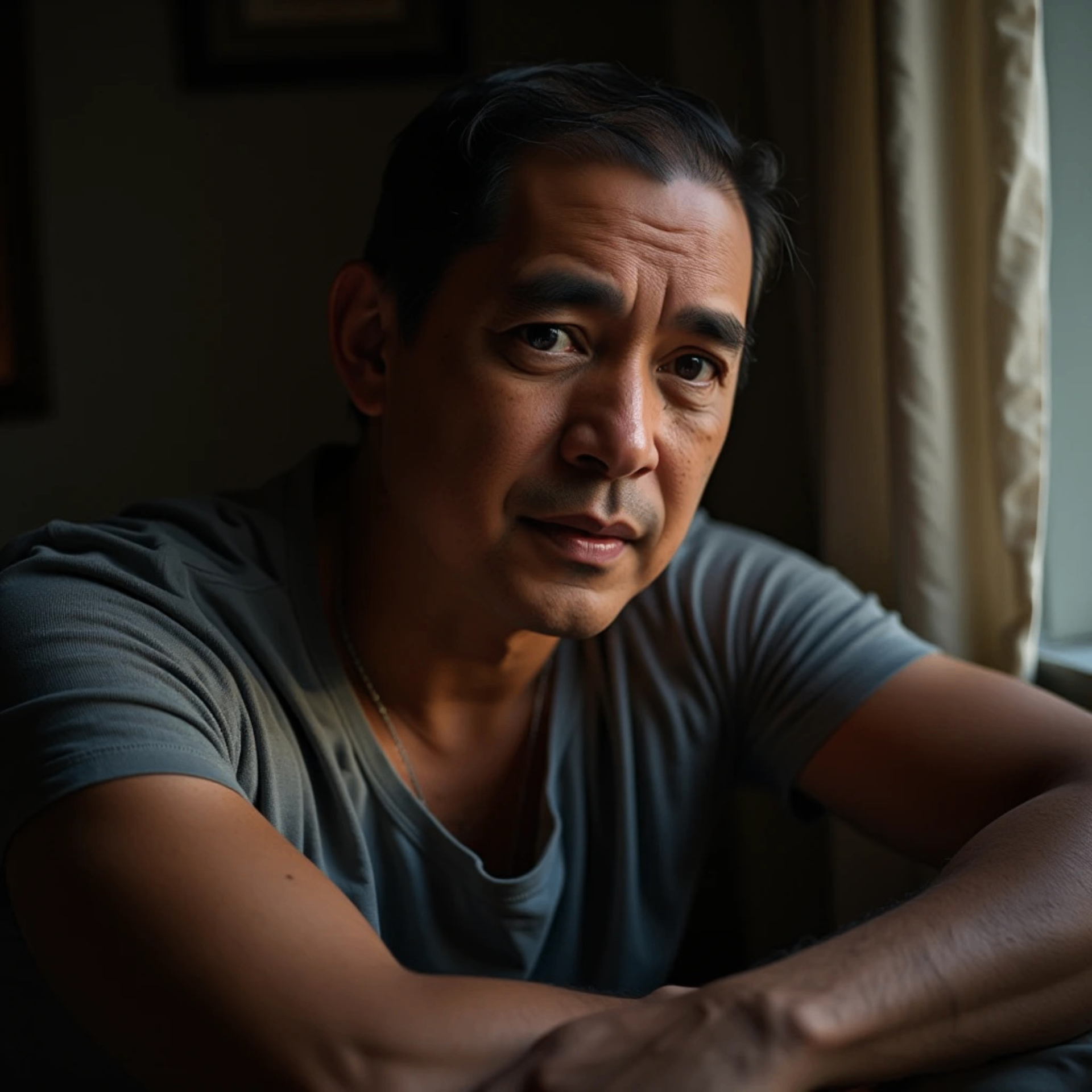
Partner/Co-Founder of the Teacher Academy. Strategist, author, educator, and a lifelong student of how dancers actually learn.
At a Glance
- Discipline
- Latin, Ballroom, and a deep understanding of martial arts.
- Based
- Dallas Metroplex, USA · Dutch-born.
- Role
- Co-founder of masterclasses.dance; Strategist, Author, Educator.
- Body of work
- Amazon bestselling author; creator of frameworks including Voice Intelligence and The Authority Bridge; lyricist of 50+ original songs under his own name; host of The Authority Architect and The Empowering Story podcasts.
- In the dance world
- Coach to competitive dancers, co-host of masterclasses.dance, and masterclass teacher.
- Lineage
- Will van Roesel ("Success is never built alone."); Peter Townsend ("When was the last time you truly asked your partner to dance?"); Ruud Vermeij ("In dance, the movement itself is the goal.").
- Masterclasses taught
- Season 4, Physical & Mental Preparation for Competitive Dancing · Season 9, The Art of Teaching: Personal Paths to Teaching Excellence.
The Story
Jean Dorff came to dance the way he came to everything else in his life, through a fascination with expression: how a person says what words can't, and how that saying can be taught.
Yet the beginning was simple. From the moment he stepped onto the floor for his first lesson, he felt he had come home.
His path has never run in a straight line, and that is the point. Four decades of work across corporate strategy, authorship, and the stage have circled one question: how does what a person knows on the inside become something the world can recognize on the outside? In business, he called it strategy. In writing, he called it voice. On the dance floor, he calls it teaching.
The turning point was not a title or a single competition. It was the realization that the teachers who shaped him most did more than correct movement: they changed what he noticed. Will van Roesel taught him that success is never built alone. Peter Townsend brought him back to the essential act of partnership, not merely executing alongside another person, but truly asking that person to dance. Ruud Vermeij clarified that in dance, movement is not a vehicle toward some separate outcome; the movement itself is the goal. Together, those lessons shifted Jean from collecting technique to studying meaning, relationship, and the conditions under which a dancer can make knowledge their own.
That is also why he never accepted the idea that becoming a teacher meant he should stop being a dancer. He continues to study, perform, and compete because teaching must remain connected to the lived experience of learning, to uncertainty, discovery, partnership, and the courage to step onto the floor again.
That conviction is what led him to co-partner in masterclasses.dance: a place built not around performance, but around the craft of teaching dance, the belief that the profession's knowledge deserves to be studied as seriously as its technique.
masterclasses.dance grew from a practical frustration: the dance world is rich in exceptional teachers, yet much of what they know remains embodied, personal, and difficult to pass on. A masterclass can inspire, but inspiration alone rarely changes how someone teaches. Jean wanted to help build the missing bridge, a structured, continuing academy in which leading professionals contribute their knowledge, teachers examine it together, and ideas are tested, coached, and translated into practice.
Building it in partnership is part of the meaning. The academy is not a monument to one method, one champion, or one personality. It is a place where experienced voices can be brought into conversation, where teachers remain students, and where the lineage of the art form is preserved by being questioned, practiced, and carried forward. Online access made the academy possible; the deeper need made it necessary. In a time of abundant information, what teachers need is not more content but continuity, reflection, implementation, and a teaching identity of their own.
Teaching Philosophy
Jean believes that technique is not the end of dance but its vocabulary, the means by which a dancer says something true. Great dancing, in his view, is expression made legible; and great teaching is a craft entirely its own, distinct from the ability to dance well. A champion does not automatically become an educator; that is a second discipline, learned deliberately.
At the heart of that discipline is a view of learning that runs against the usual grain. Most teaching in the dance world assumes a direction: transfer knowledge, build skill, and hope that ability follows. Jean reverses the order. He works from ability first, the raw, already-present capacity of the dancer to move, sense, and respond, then gives that ability a framework through knowledge, and finally refines it into repeatable, expressive skill. The sequence matters: it means teaching begins with what the dancer can already do, not with what they don't yet know. It is a constant, concentric process, each cycle deepening the last, rather than a linear transfer of information.
That process requires more than demonstration. Jean's approach to teaching is built on scaffolding and codification: structuring knowledge so that a dancer can find their own way through it, rather than simply imitating what they see. In a profession where the dominant method is still "watch me, copy me," this is a deliberate departure. The teacher's job, in his view, is not to be the answer but to build the architecture that lets the dancer arrive at the answer, and to codify that architecture so it is transmissible, repeatable, and independent of any single teacher's presence in the room.
Underneath everything he teaches is a conviction drawn from decades of movement practice: the body and the mind are one. They are not two systems that happen to share a person, they are the same system, experienced from two sides. A thought is already a physical event; a movement is already a mental one. When a dancer truly understands this, technique stops being an instruction the mind gives the body and becomes something the whole person is.
That is why Jean's work often begins not with the feet but with the mind. His simplest and most radical premise: change your mind and you change your dancing. Not as a metaphor, as a mechanism. The dancer who shifts how they think about a movement, how they see their partner, how they understand what they are trying to express, will move differently before a single correction is given. The change happens upstream; the body follows.
What matters most to him in the room is the person before the step. He works from character and intention outward toward mechanics, on the conviction that expression is a way of knowing, that a dancer who understands why moves differently from one who only knows how.
Put simply, Jean is not trying to create dancers who can repeat his answer. He wants dancers, and teachers, who can recognize what is happening, understand why it matters, and make an informed choice of their own. Technique gives them a language; teaching helps them become capable of speaking with it.
Online Presence
- Website · jeandorff.com
- Instagram · @jeandorff
- Facebook · jean.dorff
- YouTube · @musicjeandorff
- LinkedIn · jeandorff
Study with Jean & the Faculty